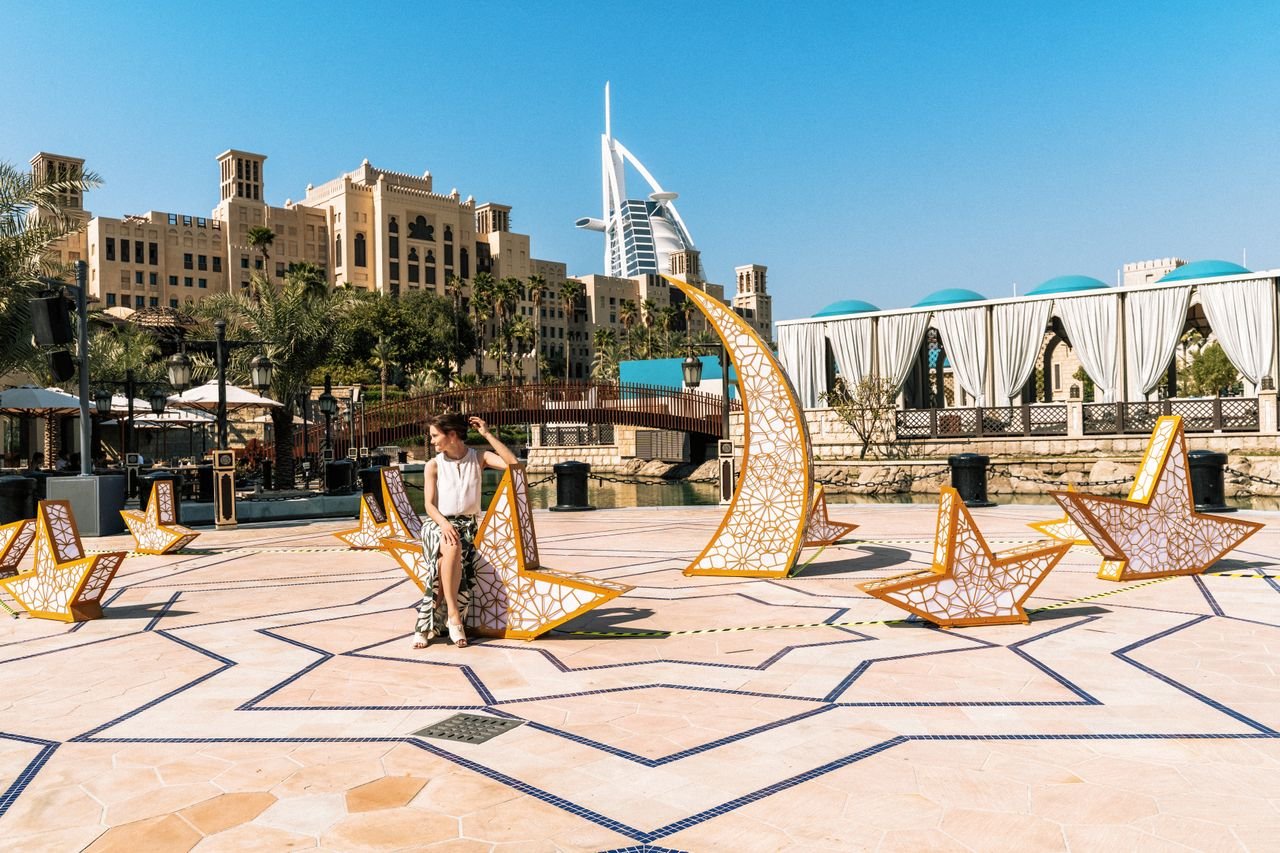
From the Burj Khalifa to desert safaris and duty-free shopping, here's what to know before visiting Dubai — including the best months to go, top attractions worth your time, and budget tips most guides skip.
Dubai has built its reputation on superlatives — the tallest building, the biggest mall, the most extravagant hotels — but the city works just as well for a well-planned mid-range trip as it does for a blowout luxury holiday. The key is timing it right and knowing which of the "world's biggest" attractions are actually worth the queue.
When to go
Dubai's climate makes the decision for you more than most destinations. November through March brings pleasant daytime temperatures (roughly 20–30°C) and is peak season for exactly that reason — expect higher hotel rates and busier attractions. June through September regularly exceeds 40°C, which pushes most outdoor activities indoors or into the early morning and evening; it's also when hotel prices drop noticeably, which suits travelers prioritizing shopping, indoor attractions, and pool time over walking tours.
What's genuinely worth your time
The Burj Khalifa's "At the Top" observation deck is touristy but legitimately impressive — book the sunset slot in advance, since same-day tickets often sell out or cost significantly more. The Dubai Mall beneath it houses the Dubai Aquarium and an ice rink, useful if you're traveling with kids and need an indoor afternoon.
Old Dubai — the Al Fahidi Historical District, the abra (water taxi) crossing on Dubai Creek, and the Gold and Spice Souks — gives a very different picture of the city than the glass towers of Downtown or Marina, and takes half a day to explore properly. A desert safari (dune bashing by 4x4, camel riding, and a Bedouin-style camp dinner) is the most commonly booked tour in Dubai for good reason: it's the version of the desert most visitors actually want to see, without needing your own vehicle or navigation.
For travelers with extra time, the Museum of the Future and a day trip to Abu Dhabi (about 90 minutes away) to see the Sheikh Zayed Grand Mosque are both worth the detour, and Palm Jumeirah and Dubai Marina offer a more relaxed, resort-style side of the city.
Practical tips most guides don't mention
Dubai is largely cashless and English is widely spoken, so day-to-day logistics are easier than many first-time visitors expect. Alcohol is available in licensed hotel bars and restaurants but not in most standalone restaurants, and public modesty norms apply outside beach and pool areas — shoulders and knees covered is a safe default for mosques and older neighborhoods. The metro is clean, cheap and air-conditioned, and is often faster than a taxi during Downtown traffic.
Flights, visas (many nationalities get visa-on-arrival, but it's worth confirming yours specifically before booking), and hotel location are the three things worth getting right before you travel — get in touch and we'll put together a Dubai package around your dates, budget and whether you're traveling for leisure, shopping, or a stopover.