Planning your first East Africa safari? Here's what to know about gorilla trekking in Uganda and Rwanda, the Big Five, and the Great Migration across the Serengeti-Mara ecosystem — plus when to go and what it costs.
East Africa is the only region on earth where you can track mountain gorillas through misty forest one day and watch a lion pride stalk wildebeest across open savannah days later. For first-time visitors, the challenge isn't finding something incredible to see — it's understanding how the region's different experiences fit together and what to prioritize.
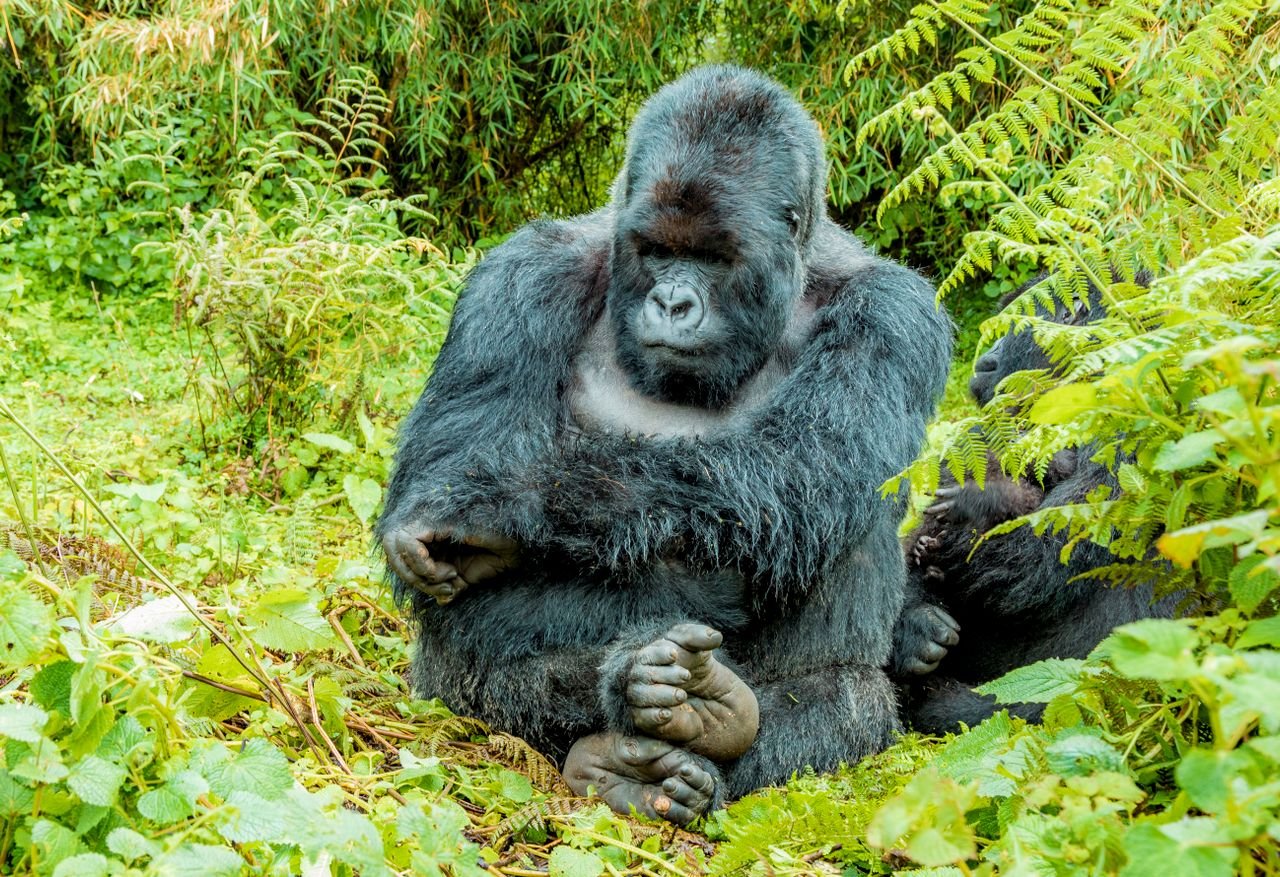
Gorilla trekking: Uganda and Rwanda
Uganda and Rwanda hold roughly half of the world's remaining mountain gorilla population, concentrated in Bwindi Impenetrable Forest and Volcanoes National Park. Neither country issues unlimited trekking permits — Rwanda caps daily permits per gorilla family, and Uganda does the same — so gorilla trekking is one of the few safari experiences where booking early genuinely matters, often three to six months ahead during the July–September and December–February dry seasons. A trek can last anywhere from two to eight hours depending on where the gorilla family has moved that day, so it's worth building a buffer into your schedule rather than planning a tight connection immediately afterward.
The Big Five and the Great Migration
Kenya and Tanzania share the Serengeti-Mara ecosystem, home to the Great Migration: roughly two million wildebeest and zebra moving in a rough clockwise loop between the Serengeti and Maasai Mara chasing rainfall and fresh grass. There's no single "migration season" — it's a year-round event — but the river crossings that make for dramatic photography (the Grumeti River around June–July, the Mara River July–October) are the moments most travelers plan their trip around.
Ngorongoro Crater, meanwhile, holds an unusually dense, contained population of the Big Five (lion, leopard, elephant, buffalo, and black rhino) within one caldera, making it one of the most reliable single-day game-viewing locations in Africa — a useful anchor point if your time is limited.
What it actually costs
Gorilla permits alone run around $700 per person in Uganda and $1,500 in Rwanda, on top of accommodation, park fees, and internal flights between regions. A safari combining gorilla trekking with a Big Five circuit typically starts from the low thousands per person for mid-range lodges, rising steeply for premium tented camps. Because permits, flights and lodges all need coordinating around the same dates, this is one type of trip where a locally based travel agency earns its fee — a missed permit booking window can mean rebuilding an entire trip from scratch.
Packing and practical notes
Trekking gear matters more than standard safari gear: waterproof boots, gaiters, and a light rain jacket for Bwindi's forest floor, which stays damp even in the dry season. Yellow fever vaccination is a legal entry requirement for Uganda, Kenya and Tanzania if arriving from certain countries, and malaria prophylaxis is strongly recommended across all four countries regardless of season.
Whether you're weighing a gorillas-and-safari combination against a single-country trip, the honest trade-off is time and cost versus breadth: a Uganda-only or Tanzania-only itinerary is simpler logistically and cheaper, while a combined route gives you both of East Africa's headline experiences in one journey. Our team can build either route around your dates and current permit availability — reach out and we'll check live permit slots before you commit to travel dates.